Christian Bible Characters

Traits
Date of Birth
Date of Death
Theological Importance
  • A
  • B
  • C
  • D
  • E
  • F
  • G
  • H
  • I
  • J
  • K
  • L
  • M
  • N
  • O
  • P
  • Q
  • R
  • S
  • T
  • U
  • V
  • W
  • X
  • Y
  • Z

Our date system uses simple numeric values where positive numbers represent Common Era years (CE/AD) and negative numbers represent Before Common Era years (BCE/BC), allowing us to document saints across all historical periods without additional notation.

The Definitive Christian Bible Characters Archive

Explore The Definitive Christian Bible Characters Archive—your comprehensive resource for in-depth profiles, timelines, and analysis of biblical figures. Featuring detailed geographical information, character traits, and scriptural references for pastors, students, and believers seeking to deepen their understanding of God’s Word.

What Are Hagiographical Classifications?

Hagiographical classification refers to the systematic categorization of saints and holy figures based on their life patterns, virtues, miraculous attributes, and religious contributions.

These taxonomies emerged as the Church needed to organize the growing number of venerated individuals across centuries and cultures. Classifications serve multiple purposes: they provide theological frameworks for understanding different paths to sanctity, establish liturgical calendars and feast days, guide devotional practices for the faithful, and create interpretive lenses for studying saints’ lives.

Common classification systems include categorization by type of sanctity (martyrs, confessors, virgins), by historical period, by geography, by associated miracles, or by patronage domains. These classifications aren’t merely academic constructs but living interpretive traditions that shape how religious communities understand, commemorate, and invoke their holy figures.

As hagiographical studies have evolved, these classification systems have become more nuanced, acknowledging the complex intersections of culture, history, gender, and spirituality that shape the diverse paths to recognized holiness.

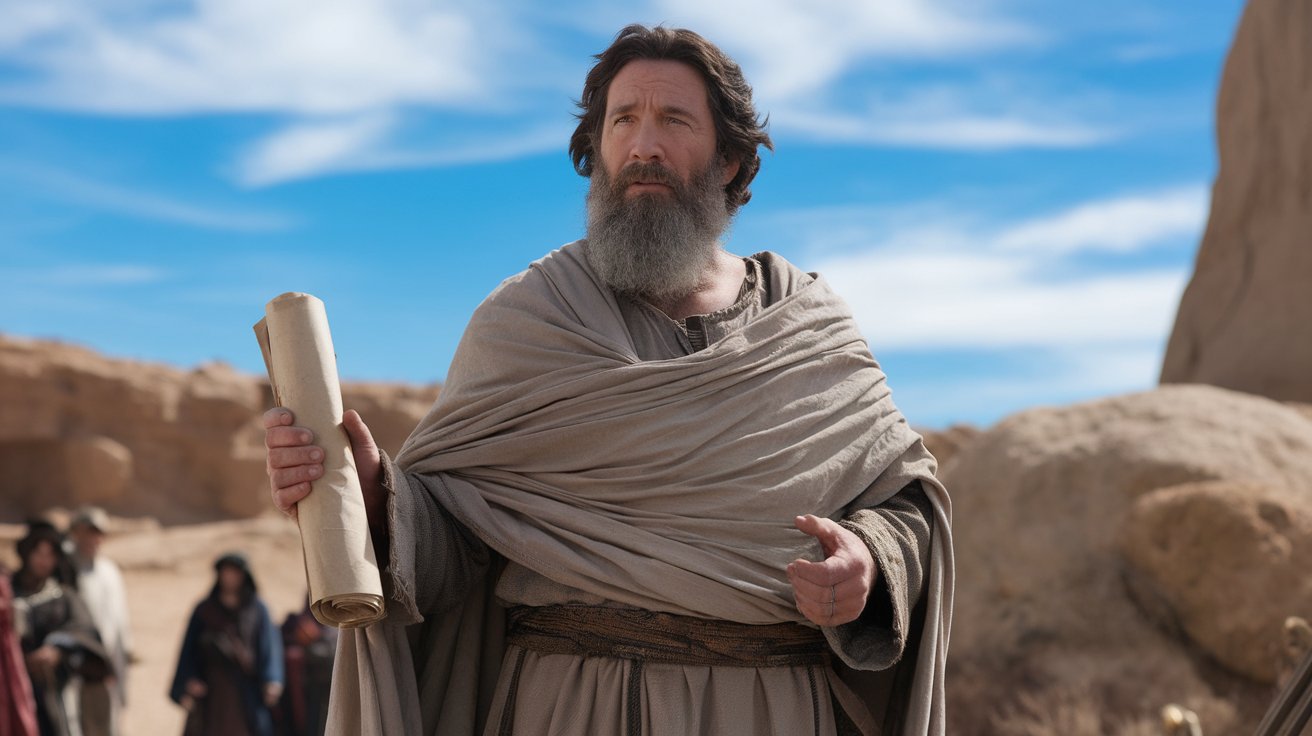
Hagiographical classification organizes saints and holy figures by their virtues, miracles, and contributions, helping religious communities understand diverse paths to sanctity across different cultures and time periods.

Showed God's sovereign direction of history; revealed divine purposes through flawed humans; demonstrated inclusivity of God's redemptive plan

Revealed God's communication methods; demonstrated divine concern for human affairs; showed celestial worship as model for earthly praise

Established church foundation; received and transmitted authoritative revelation; modeled transition from Judaism to Christianity

Central figure of all Scripture; fulfillment of all Old Testament promises; perfect revelation of God's character; accomplisher of redemption through death and resurrection

Implemented Christ's commission; adapted gospel to different cultural contexts; models of contextual ministry

Central figures in progressive revelation; recipients of divine promises; established frameworks for God-human relationship

Showed importance of practical service in church life; models of Spirit-filled ministry; bridges between Jewish and Gentile believers

Prefigured Christ's ultimate deliverance; demonstrated God's power to save; models of how God works through human instruments

Demonstrated importance of spiritual multiplication; modeled leadership development; showed relational nature of faith transmission

Established apocalyptic expectations; demonstrated ultimate divine purposes; showed cosmic significance of spiritual conflict

Demonstrated expansion of gospel across cultural boundaries; implemented apostolic teaching; models of cross-cultural ministry

Demonstrated God's preservation of a faithful people; showed true faith amidst cultural opposition; maintained continuity of covenant

Revealed theological significance of suffering; demonstrated faith beyond prosperity; explored questions of divine justice

Showed impact of faith on family dynamics; demonstrated that divine election doesn't guarantee godly relatives; explored questions of divine calling within family context

Demonstrated God's sovereignty over all nations; showed divine use of secular power; revealed God's universal rule

Demonstrated universality of God's redemptive plan; showed inclusion of outsiders; proved faith transcends ethnic boundaries

Revealed God's willingness to engage human appeals; demonstrated power of righteous prayer; models of spiritual advocacy

Showed God's preservation of His people without formal government; illustrated cycles of sin, judgment, repentance, and deliverance

Demonstrated godly governance; showed integration of faith with public service; models of integrity in secular contexts

Foreshadowed Christ's kingship; provided models (positive and negative) of godly leadership; established messianic expectations

Communicated God's judgment and mercy; predicted messianic advent; preserved theological understanding during national decline

Demonstrated faith despite barrenness and societal limitations; participated actively in God's covenant plan; models of perseverance

Provided typological patterns fulfilled in Christ; established messianic expectations; demonstrated aspects of redemptive work

Demonstrated God's sovereignty over human conflict; revealed divine involvement in history; models of courage and strategic leadership

Addressed specific historical situations with timeless theological significance; maintained covenant awareness; reinforced ethical monotheism

Demonstrated familial dimension of faith; showed expansion pattern of early church; models of shared spiritual commitment

Revealed various forms of resistance to divine truth; demonstrated human responsibility alongside divine sovereignty; warned against religious hypocrisy

Established covenant relationship with God; received foundational promises that shaped redemptive history; exemplified faith as response to God's initiative

Prefigured Christ's priestly ministry; maintained worship and sacrifice; taught God's law

Showed God's preservation of covenant community; models of return to scriptural authority; demonstrated corporate repentance

Illustrated power of divine forgiveness; demonstrated genuine repentance; revealed God's ability to redeem the worst failures

Preserved God's revelation; established practices for scriptural interpretation; maintained covenant identity through exile

ChristianChurches.com is national directory of Christian Churches, serving all denominations. The Christian faith is big and diverse, and we highlight all churches to make it easier on your to find your church, all in one spot.

Find a Christian Church which fits your needs using our search feature and keep up-to-date on all the latest news.